Leadership is broken...
We're here to fix it, one conversation at a time!
The Everyday Diplomat equips leaders to build trust, navigate conflict, and lead with clarity, even without a formal title.
Available Courses
The First 30 Days
The First 30 Days gives new and rising leaders a proven roadmap to earn respect, avoid early mistakes, and lead with confidence from day one. Learn how to build trust fast, take smart action, and lock in momentum, without overcompensating or guessing your way through it.
Foundations
Transform your leadership with Foundations: The Essentials of Diplomatic Leadership. Dive deep into comprehensive training designed to elevate your impact and influence. Master advanced techniques in communication, trust-building, conflict resolution, and team empowerment. Gain exclusive access to tools like leadership assessments and actionable strategies to drive extraordinary results and inspire lasting success.
Receive access to The First 30 Days as a complimentary addition when you purchase Foundations, our premiere leadership course!
Meet Michael Forras

Founder of The Everyday Diplomat
Michael Forras is a retired Marine Sergeant Major, leadership consultant, and the creator of The Everyday Diplomat—a platform built to help leaders earn trust, build high-performing teams, and lead with influence, not just authority.
With over 20 years of experience leading teams through high-stakes environments in the Marine Corps, Department of State, and innovation partnerships across Silicon Valley, Michael has rebuilt fractured cultures, coached thousands of leaders, and proven that every business is a people business.
Today, he equips mission-driven professionals with the real-world tools to lead with clarity, presence, and everyday influence—no matter their title.
“You don’t need permission to lead well. You just need to be all in.”
Struggling to Lead Your Team Effectively?
Discover the proven strategies to build trust, enhance communication, and drive performance.
Ready to lead high-performing teams with confidence and clarity?
Download 10 Steps to Confidently Lead High-Performing Teams, a free, tactical guide packed with strategies to build trust, fix broken culture, and lead through influence, not just authority.
Everyday Diplomat Swag Shop
The Everyday Diplomat Book
Leadership is a people business. In The Everyday Diplomat, Michael D. Forras shares hard-earned lessons from two decades as a Marine, mentor, and diplomat to help you lead with trust, empathy, and influence. This enhanced edition includes a bonus chapter on bridging generational divides—a must-read for today’s evolving workplace. Whether you're leading in the boardroom or the field, this is your guide to real-world leadership that gets results without losing your humanity.
Available in paperback, hardcover, and audiobook on Amazon; premium dust jacket edition at Barnes & Noble; and digital-only on Apple Books.
Limited Edition Signed Book Package
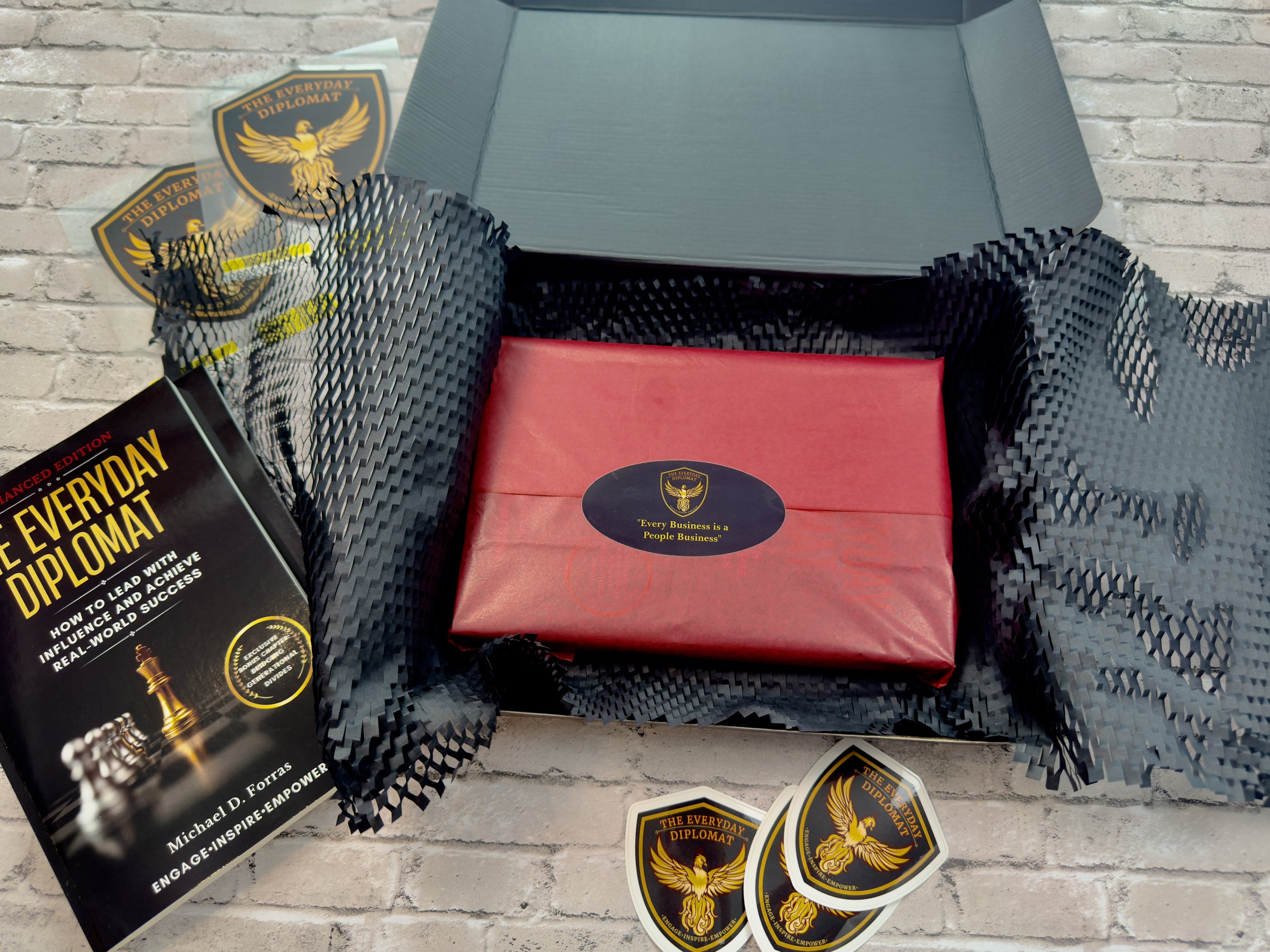
This premium offering of The Everyday Diplomat: How to Lead with Influence and Achieve Real-World Success (Enhanced Edition) is more than just a book—it’s a deeply personal keepsake. Each order includes a signed hardcover edition with a personalized message written in elegant cursive, adding a timeless and thoughtful touch to your copy.
Your signed book will be carefully packaged with a premium unboxing experience in mind, featuring a luxurious black gift box, scarlet tissue paper, and protective padding. As a token of appreciation, each order includes a small surprise from The Everyday Diplomat—a gesture of gratitude for your support. Note, the picture of the product depicts some of the small surprise items that may be added (stickers!) Each does not come with all of the stickers depicted.
The Everyday Diplomat 90 Day Planner
More than a planner—it’s a leadership system in your hands.
Created by Michael D. Forras, this 90-day tool helps new and rising leaders build trust, lead with clarity, and stay focused on what truly matters. Inside, you’ll find intentional prompts, proven frameworks, and structured space to plan, reflect, and grow. Whether you’re stepping into your first leadership role or sharpening your edge, this planner helps you lead with purpose—one day at a time.
Available in two formats: a convenient paperback edition on Amazon, and a premium spiral-bound version through our print partners at Lulu.
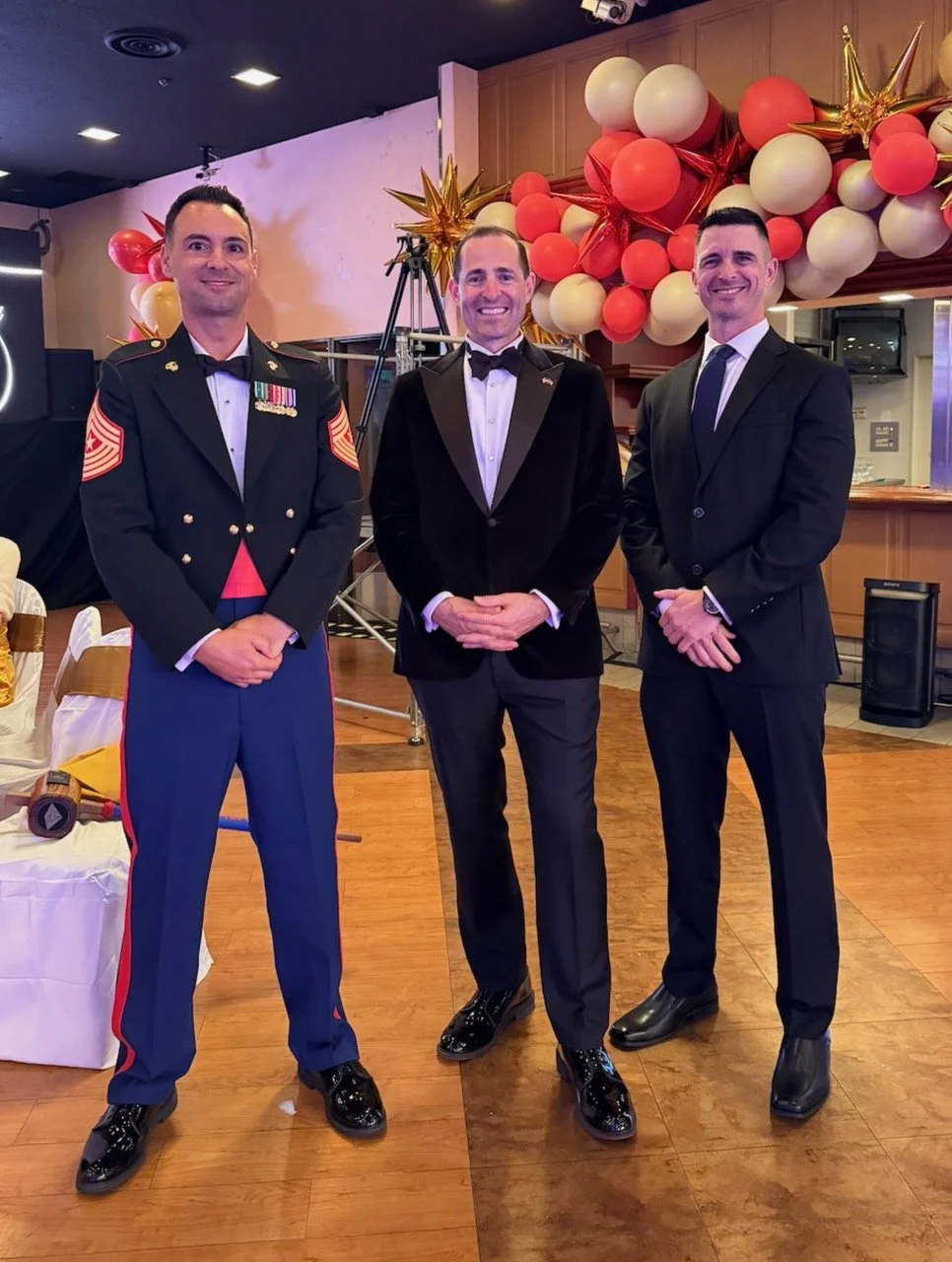
This reflection captures the experience of returning to Iwakuni with my wife, Nelli, as guests of honor for the 250th Marine Corps Birthday Ball with VMGR-152. What began as a trip rooted in tradition became a powerful reminder of legacy, gratitude, and the quiet ripple effects of leadership. In this piece, I share what it felt like to stand among Marines who were once new to the Fleet and now lead with confidence, and how moments like this reaffirm the belief that every interaction, every investment in people, and every act of care can echo far beyond the moment itself. This homecoming became one of the defining milestones of my life, and I hope the lessons within it resonate with anyone who believes in the lasting impact of influence and human connection.
Resilience is not about avoiding setbacks. It is about how you respond when they come. Some leaders crumble under pressure, while others emerge stronger. The difference lies in how they reset, reframe, and recover.
From quick resilience resets to turning failure into fuel, from managing your rhythm to finding the mountaintop perspective, resilient leadership is built in daily choices. It is not just survival, it is the process of transforming struggle into strength.
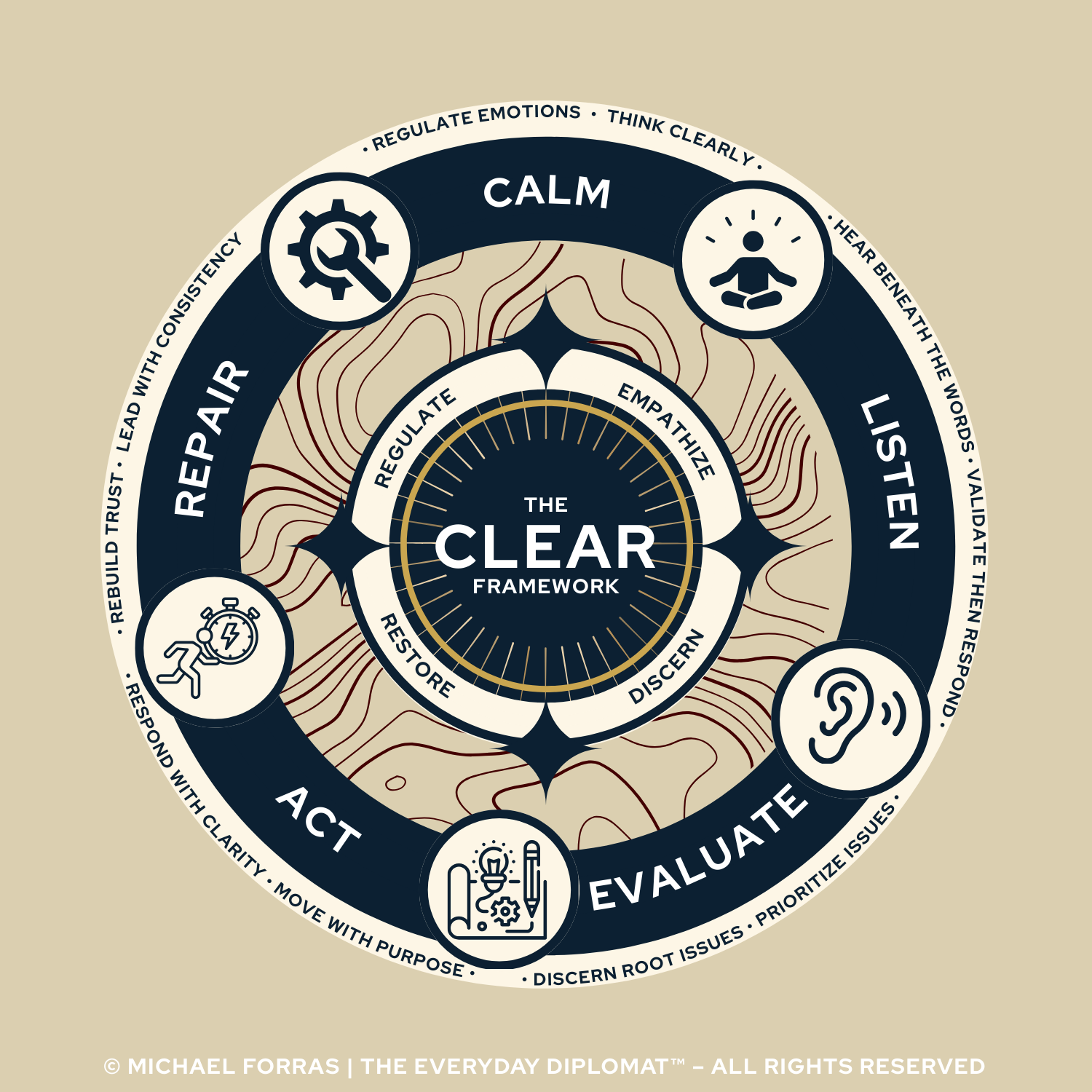
Most leaders think their feedback is helping, but more often than not, it misses the mark. Vague comments, personal attacks, and a lack of follow-up erode trust and weaken team morale. In this article, Michael Forras, retired Marine Sergeant Major and former U.S. Diplomat, introduces the CLEAR Framework, a practical, five-step system for giving feedback that creates clarity, builds trust, and drives lasting growth. Drawing on over 20 years of leading in combat zones, embassies, and boardrooms, he shows how leaders can transform feedback from a source of tension into a culture of resolution.
Great crisis leadership is built long before alarms sound. You default to your training, your habits, and your culture, not last minute heroics. This piece breaks down how to hardwire readiness: enforce real standards, normalize rehearsal, set decision guardrails, and communicate with brevity under pressure. It explains the decision window between panic and paralysis and gives a simple compass, the GUIDE framework (Gather, Understand, Initiate, Deliver, Evaluate), plus a quick field guide, common pitfalls to avoid, and debrief rituals that turn today’s stress into tomorrow’s competence.
Sometimes the biggest leadership failures come from the best intentions. In this article, I unpack two powerful stories, one real, one fictional, where leaders tried to help, but ended up doing harm by skipping the most important step: listening. Whether you're leading a team or launching a new initiative, these stories reveal why influence without empathy quickly becomes imposition, and how trust is built not by having the answers, but by asking the right questions first.
For the first time in history, five generations are working together in the same workforce. Boomers, Gen X, Xennials, Millennials, and Gen Z—all with different strengths, expectations, and worldviews.
The challenge? They don’t always speak the same language.
But the real opportunity lies in learning how to lead through that difference, not around it. Whether it’s a general asking about a rifle score or a young Marine pioneering breakthroughs in AI, leadership today means translating across generations—not choosing sides.
This article explores how leaders at any age can bridge that divide, build mutual respect, and create something better than either side could build alone.
In today’s culture of shortcuts and surface-level effort, true craftsmanship and preparation stand out—sometimes so much they’re mistaken for AI. This post explores how mediocrity has become the norm in business, content, and everyday life—and why leaders who commit to doing things well are more important than ever.
When change hits hard and the path ahead is uncertain, the one thing your team needs isn’t a perfect plan—it’s your steady presence. In this post, I share a behind-the-scenes moment from one of the most chaotic transitions of my career as a senior advisor, and how calm leadership—not control—created clarity in the storm. Because when the map disappears, your presence becomes the compass.
True leadership in crisis isn’t about rank or control—it’s about knowing who you are when the pressure hits. Discover how identity shapes leadership and why your reflection in the mirror matters more than ever in moments of chaos.
The Martian Paradox explores what happens when a leader grows beyond the system they return to. Through personal stories from elite military assignments, embassy service, and high-level leadership programs, this piece unpacks the quiet challenge of reentry—how evolved leaders can feel out of place in legacy organizations, and what to do when the system isn’t ready for what you've become.
If you’ve ever come back from something that changed you—and struggled to reconnect with the world you left behind—this is for you.
In this article, I explore how coaching and mentoring evolved from leadership tasks into the core of my leadership strategy—and how their ripple effects can shape teams, cultures, and even generations. If you’re serious about growing leaders, not just managing them, this one’s for you.
In this reflective article, Michael shares the lessons he learned over 21 years of military service, focusing on the transition from tactical to strategic thinking. He discusses how shifting from reactive problem-solving to proactive planning shaped his leadership philosophy and led to a deeper understanding that "Every business is a people business." This journey emphasizes the importance of investing in people, anticipating challenges, and leading with foresight for long-term success.
We often expect great work but rarely take the time to acknowledge it. A simple, sincere compliment can change someone’s entire day—yet praise is often overlooked. Here’s how a quick moment of recognition at a busy Starbucks reminded me why instant appreciation is a leadership superpower.
Leadership should be universal—if you can lead at work, you should be able to lead at home. Or so I thought. In my professional life, leadership feels structured, methodical, and effective. But at home? It’s a different story. The same skills that help me guide teams and mentor employees don’t always translate seamlessly into parenting. In this reflective piece, I explore why leading at work feels easier than leading at home, the emotional weight of fatherhood, and what it truly means to bridge the gap between professional success and personal growth. Because at the end of the day, leadership isn’t about titles—it’s about people, and the ones at home matter most.
Leadership is often measured by performance metrics and business outcomes, but its true impact is revealed in the quiet moments at home. The Dinner Table Test asks a simple yet profound question: When your employees go home at the end of the day, what do they say about you as a leader?
Do they share stories of inspiration, respect, and support? Or do they vent about stress, frustration, and lack of appreciation? Leadership does not stop at the workplace—it follows people home, influencing their relationships, well-being, and engagement.
A great leader understands that their legacy is not just written in quarterly reports but in the conversations happening around dinner tables every night.
Many leaders overthink decisions, treating every choice as if it’s irreversible. But Jeff Bezos’ Two-Way Door Framework offers a smarter approach: some decisions are one-way doors (permanent and high-stakes), while others are two-way doors (reversible and low-risk). The problem? Too often, we hesitate on choices that could simply be tested and adjusted.
Understanding this distinction helps leaders move faster, adapt quickly, and avoid unnecessary delays. Is your decision truly a one-way door, or are you just overthinking it?
Sometimes, leadership finds us before we even realize we’re ready. This past week, I witnessed it firsthand as my wife, Nelli, stepped into a leadership role at a business conference—not by seeking it, but by naturally guiding a conversation, sharing insights, and empowering others.
True leadership isn’t about authority or titles; it’s about stepping forward, contributing, and creating space for others to do the same. Watching Nelli embrace this moment reinforced a powerful lesson: when we surround ourselves with the right people, opportunities to lead become clear.
Leadership isn’t about hierarchy—it’s about contribution. On a recent cruise, I met Mr. Washy Washy, a crew member whose simple job of reminding guests to wash their hands became something extraordinary. Through song and dance, he turned a routine task into a ship-wide phenomenon, creating joy while likely preventing illness.
It was a powerful reminder that the smallest roles can have the biggest impact and that true leadership is about recognizing the value in every team member.
Who’s your Mr. Washy Washy? Who has made an impact in your life—not because of their title, but because of how they showed up?
What a Cruise Ship Taught Me About High-Performance Teams
High-functioning teams don’t happen by accident—they are built through clear roles, seamless communication, a shared mission, and mutual trust. On my first-ever cruise, I witnessed a masterclass in teamwork as thousands of crew members from around the world worked together to create a seamless guest experience.
One small but powerful example stood out: consistency. Every Old Fashioned I ordered on board, regardless of the bartender or location, was perfectly crafted. That level of precision is no coincidence—it’s the result of a strong team culture, clear expectations, and a commitment to excellence.
These same principles apply beyond the cruise industry to any organization striving for high performance. Are they present in your team?
Read more to explore the key takeaways from this experience and how they can elevate your leadership and team dynamics.
What Are You Really Selling?
Most business owners focus on what they sell—paint parties, crafting kits, or workshops—but few recognize why their customers keep coming back. People don’t just buy products; they invest in connection, belonging, and shared experiences.
On a recent cruise with my wife, Nelli, for a leadership summit, I had the opportunity to listen to passionate entrepreneurs discuss their businesses. One thing became clear: the most successful ones weren’t just selling a product; they were selling a transformation—a break from routine, a sense of community, and a chance to create lasting memories.
Whether you run a business, lead a team, or inspire others, the key to success isn’t in what you offer—it’s in the impact you create. Are you all in on what you do?
Read the full post to discover how shifting your mindset can transform the way you connect with customers, employees, and the people around you.
Discover why customer buy-in is the cornerstone of effective leadership. Through the story of an Afghan village and lessons from The Ugly American, this blog explores how listening, collaboration, and cultural awareness lead to sustainable solutions and meaningful change. Learn actionable strategies to engage your team, build trust, and solve the right problems the right way.
The philosophy of "Adapt and Overcome" is a cornerstone of resilience and success, whether on the battlefield, in business, or in academia. From military operations like the Battle of Guadalcanal to corporate strategies exemplified by Netflix’s rise, adaptability fosters innovation and ensures survival in ever-changing landscapes. What’s your next move to embrace this mindset?
Corporate culture isn’t just a backdrop—it’s the X-factor that drives engagement, teamwork, and mission success. Drawing from 20 years in the Marine Corps, I’ve seen firsthand how culture transforms teams into high-performing units. When leaders prioritize shared values and purpose, the impact on morale and the bottom line is undeniable.
Labor Day isn’t just a tribute to hard work; it’s a celebration of opportunity, teamwork, and the transformative power of labor. Thomas Edison’s words remind us that opportunity often wears overalls, requiring grit, collaboration, and dedication. Let’s honor the dignity of work and the teamwork that makes enduring achievements possible.
Emotional intelligence (EI) is more than a leadership buzzword—it’s the secret sauce for effective management and team success. By cultivating self-awareness, empathy, and strong communication, leaders can foster innovation, resilience, and engagement within their teams. In leadership, it’s not just about what’s said but understanding what isn’t.
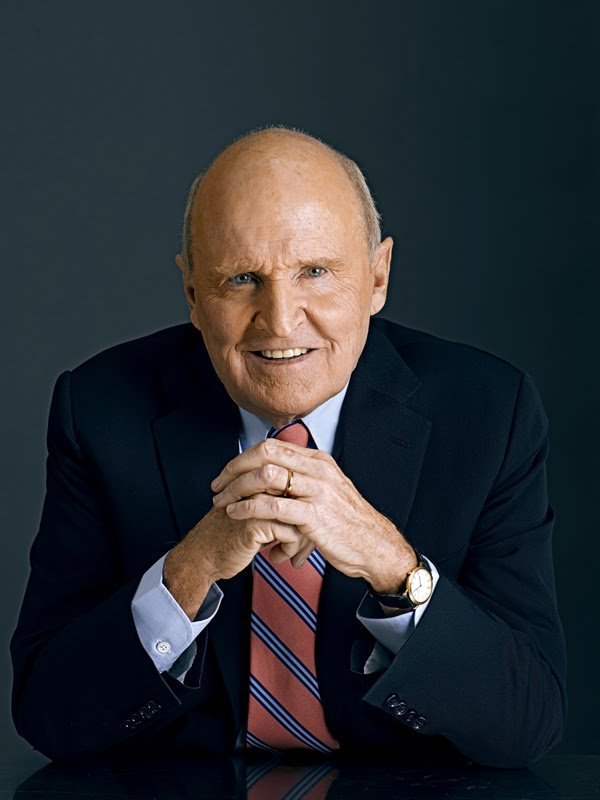
Jack Welch redefined leadership by emphasizing empowerment, autonomy, and recognition. His philosophy—selecting the right people, providing opportunities, and fostering autonomy—transformed GE and serves as a blueprint for modern leadership. By inspiring rather than controlling, Welch showed that great leaders empower their teams to thrive.
The fear of failure often stems from the mistaken belief that its consequences are permanent. Yet, as Friedrich Nietzsche reminds us, "Those who dance alone are considered fools only by those who cannot hear the music." By embracing failure as a learning opportunity, leaders can foster innovation, cultivate psychological safety, and unlock their team’s full potential.
Dale Carnegie once said, "A person's name is to that person the sweetest and most important sound." Remembering and using names is more than courtesy—it’s a leadership tool that builds trust, fosters connections, and drives success. In the people-centered world of business, mastering this simple skill can elevate your leadership and strengthen relationships.
Success isn’t just about being in the right place at the right time—it’s about recognizing opportunities and acting on them with clarity, resilience, and leadership. Drawing lessons from Ray Kroc’s journey and military insights, this article explores how decisive action and empowering others pave the way for sustainable success and impactful leadership.
SHOT Show is loud, crowded, and relentless. But if you slow down long enough, you start to notice something else entirely. No rank. No real authority. Just people, moving fast, held together by trust and unspoken rules.